Journal
23.05.2026
Design quality
Sustainability
A passion for thatch
It was an ongoing joke at Bell Phillips that whenever we started a new project I would plead with the team to incorporate a thatched roof. We never did.
My fascination with thatch began as a young lad cycling around local villages sketching the thatched roof houses and pubs. Over the years I’ve encountered many more thatched roof buildings and dwellings in many settings.
As a post-grad we visited Lake Toba, Indonesia to see for ourselves the Batak Houses. The thatched saddle-shaped roofs of many of these traditional houses have now been replaced with crinkly tin. Apparently the practical realities of living in these houses makes no concession to my sense of nostalgia.
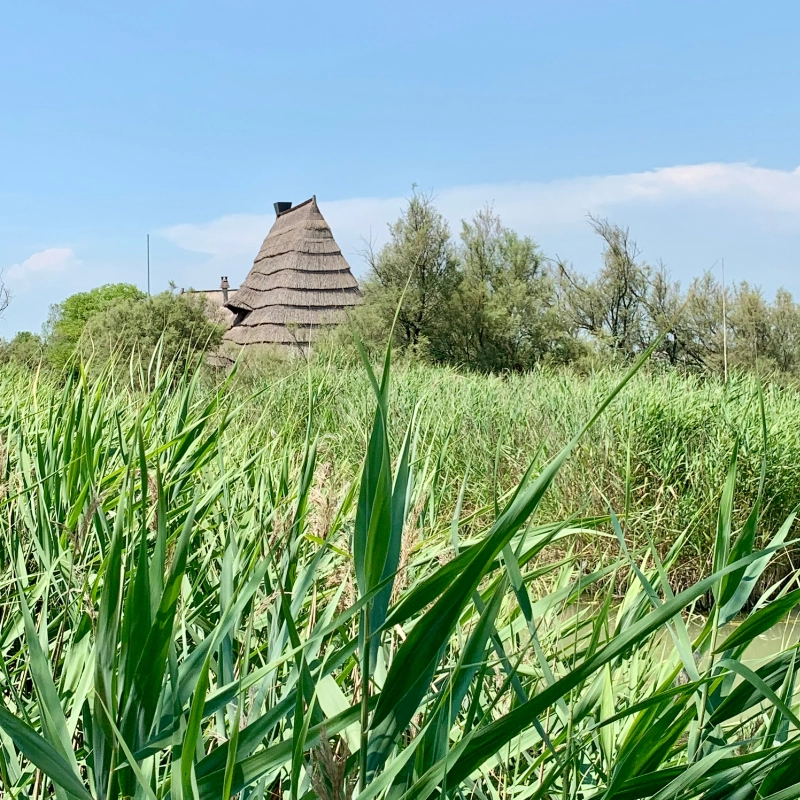
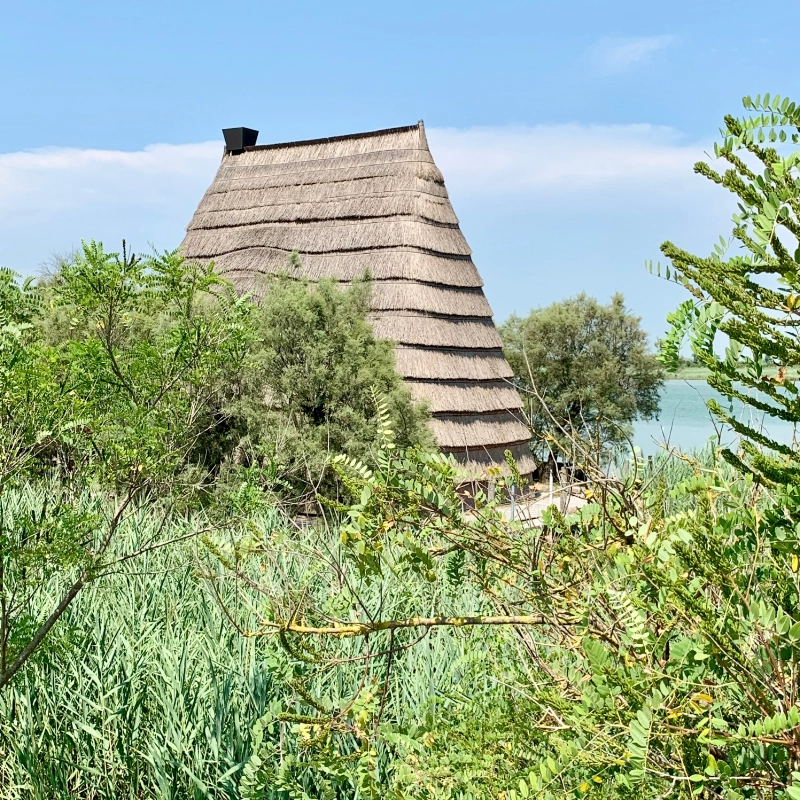
In Caorle, just north-east of Venice ‘Casone’ sit alongside the lagoon. The Casone were once dwellings and stores for fishermen - who would move in seasonally to catch the migrating fish - with roofs made from the reeds of the adjacent lagoon. The steeply pitched roofs emerge seamlessly from the low-lying landscape of tall swamp grasses.
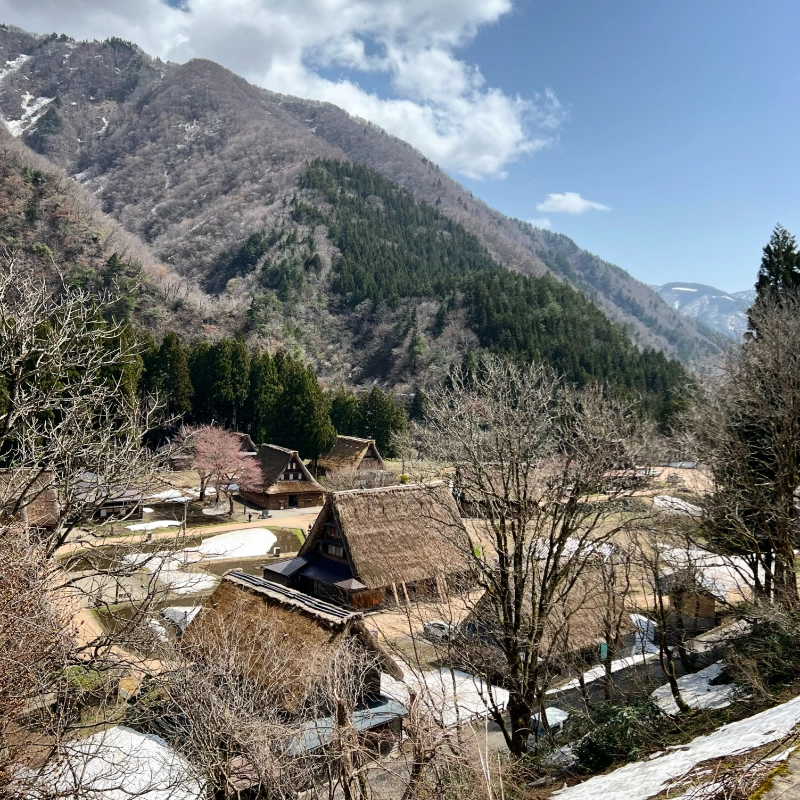
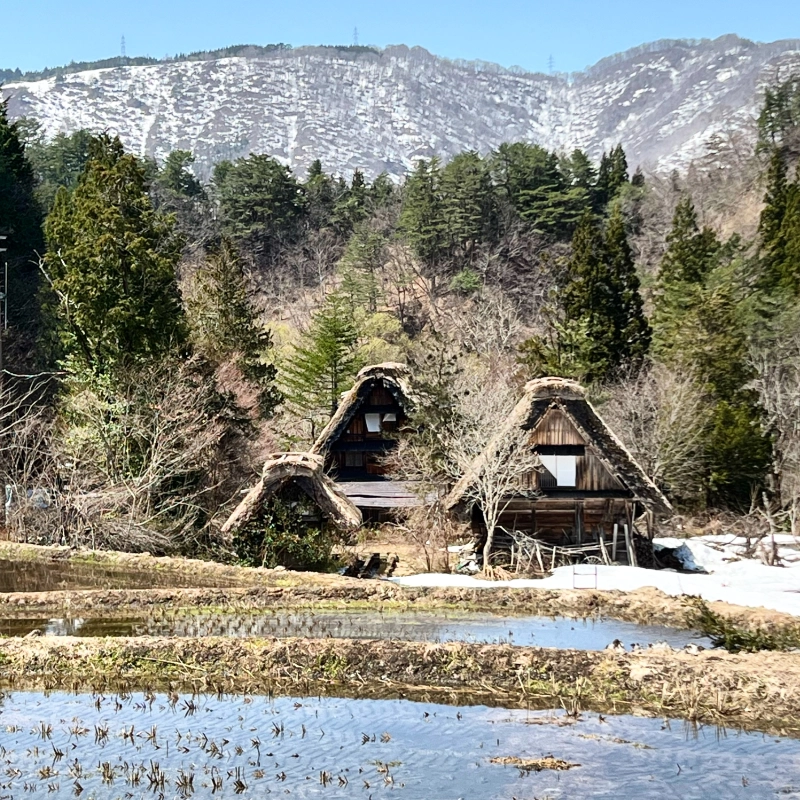
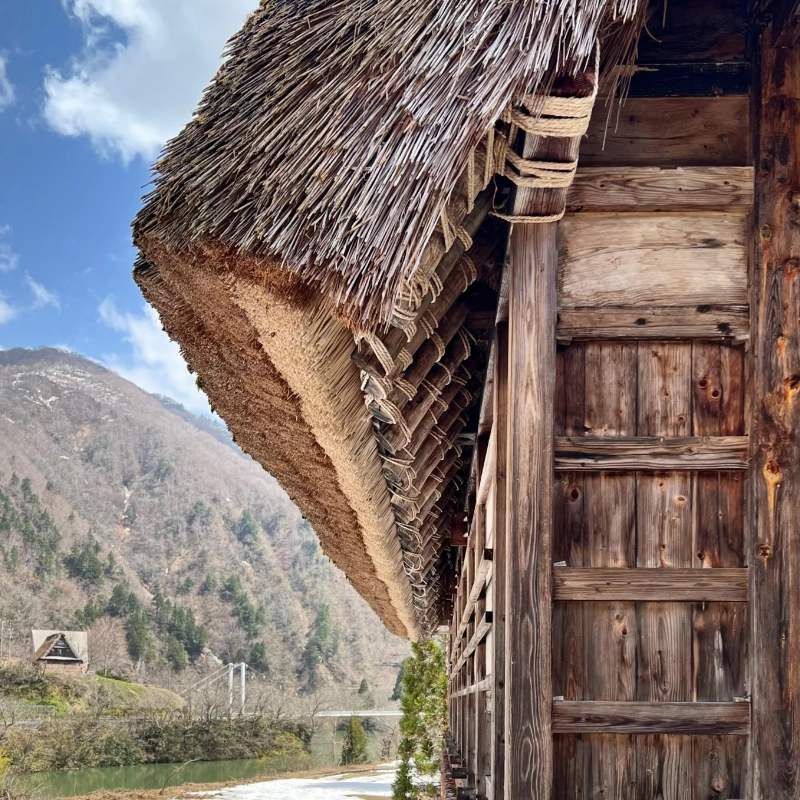
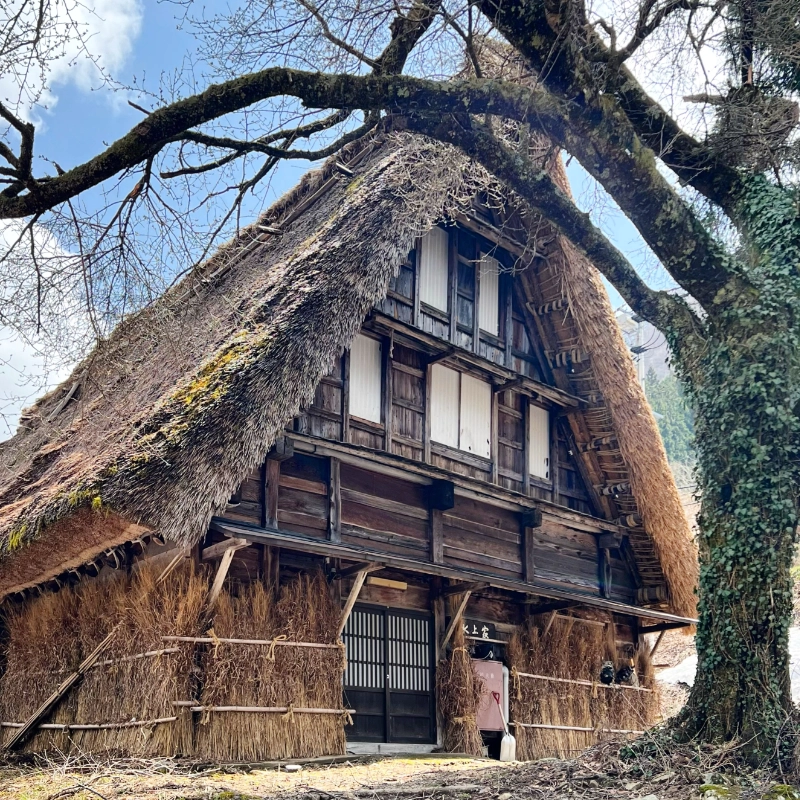
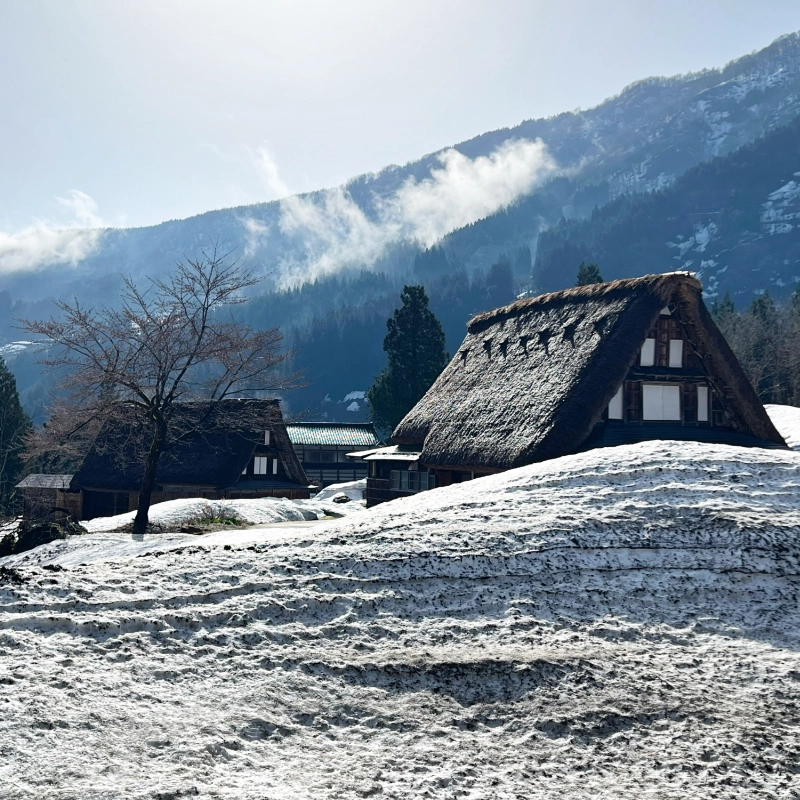
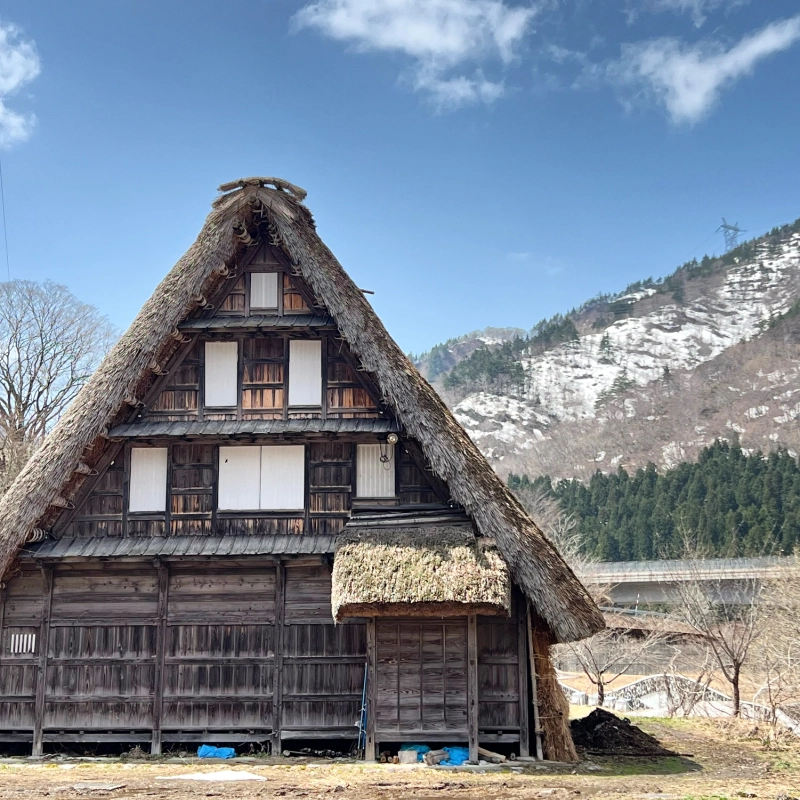
Last year we visited the Japanese Alpine villages of Shirakawa-go and Gokayama. We were lucky enough to stay a night in one of the cosy houses in Ainokura with its central fire pit providing both warmth and facilities for cooking soup and smoking freshwater fish. Here the locals lean thick blankets of reeds against the walls during the winter months to provide additional insulation.
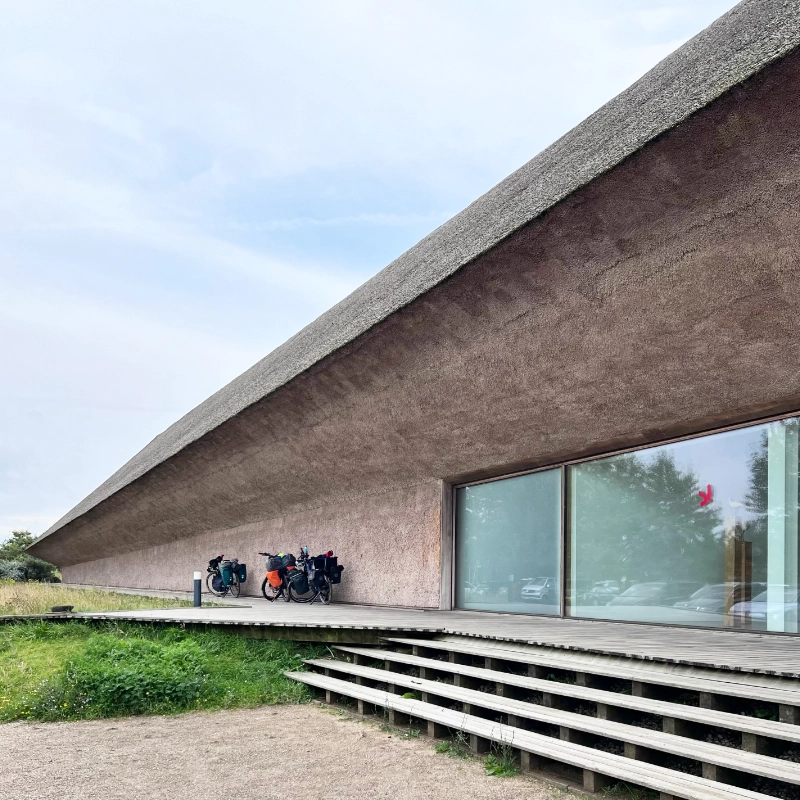
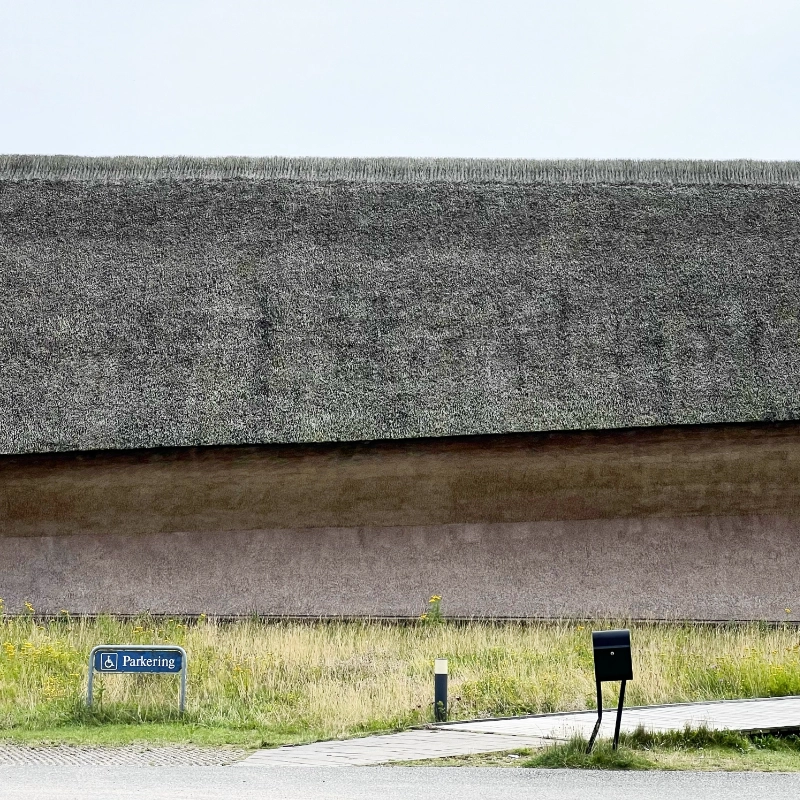
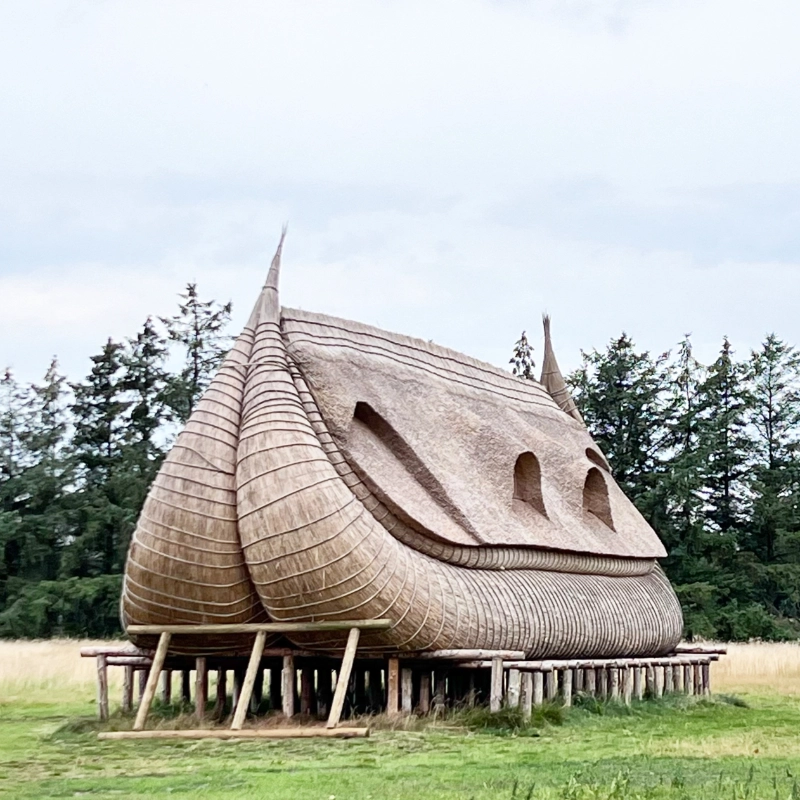
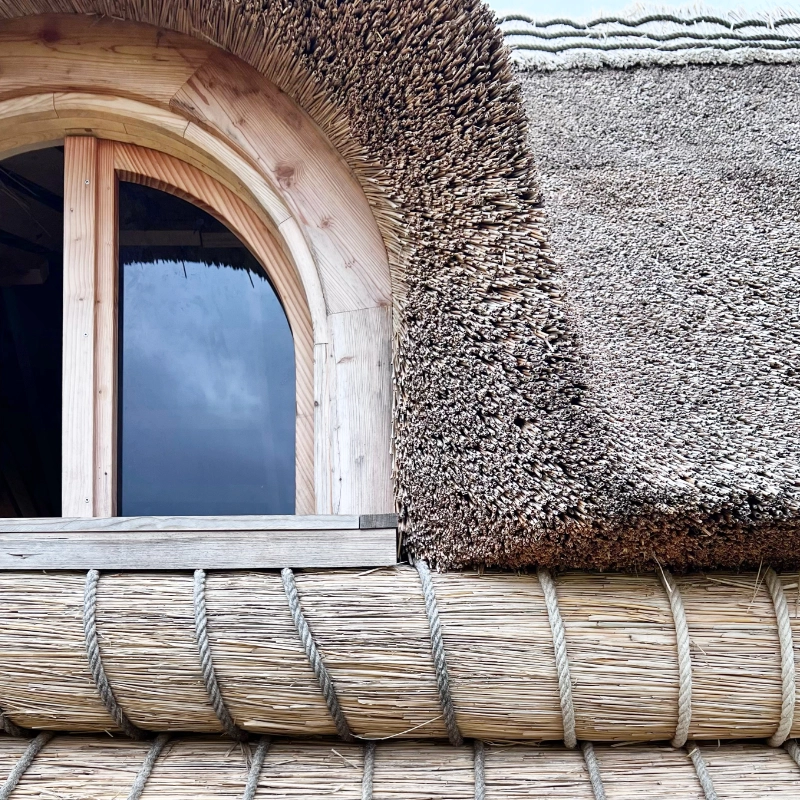
In North Denmark we saw both recreations of Viking longhouses and the contemporary use of thatch at the Wadden Sea Visitor Centre by Dorte Mandrup and an artwork by Simon Starling in sharp angular lines belying its perception of a hairy, lumpy material. On the Danish island of Læsø there is a history of using seaweed as a roofing material. This has recently been reinterpreted to contemporary use by architects Vandkusten. Find out more here
Different settings; tropical, temperate, alpine, different cultures, different times, but all united by the immediacy of connection between built structure and landscape. Each culture using what comes to hand, what the landscape can provide; creating buildings that are bonded to their setting and the people that made them. This isn’t a static relationship; the thatch weathers and evolves. It needs love and care. The bond is strengthened over time through this process.
In my post-Bell Phillips existence, the joke now is that I should retrain as a thatcher. Well you never know. Watch this space…