Journal
12.03.2025
Sustainability
Material Reform
As an architect I’ve struggled to reconcile myself with my role within a carbon-intensive construction industry that is yet to see the urgent and necessary radical change in the face of the climate emergency.
How do you balance the pressing need for housing versus the catastrophic deaths and displacement of people caused by flooding, fires, rising temperatures and lack of resources caused by climate change, in part resulting from the processes and materials used to create those homes.
This challenge has become greater with the banning of combustible materials in tall buildings, and significantly, in GLA-funded housing of all scales. The overwhelming sense is of being trapped within a system which drives the industry towards certified products and international supply chains and systems, where the status quo dominates and innovation is resisted.
The nagging feeling is that I’m part of the problem rather than part of the solution and I’m sure I’m not the only one who wrestles with this conflict. Anyone who’s built at scale in the UK must feel the same frustration.
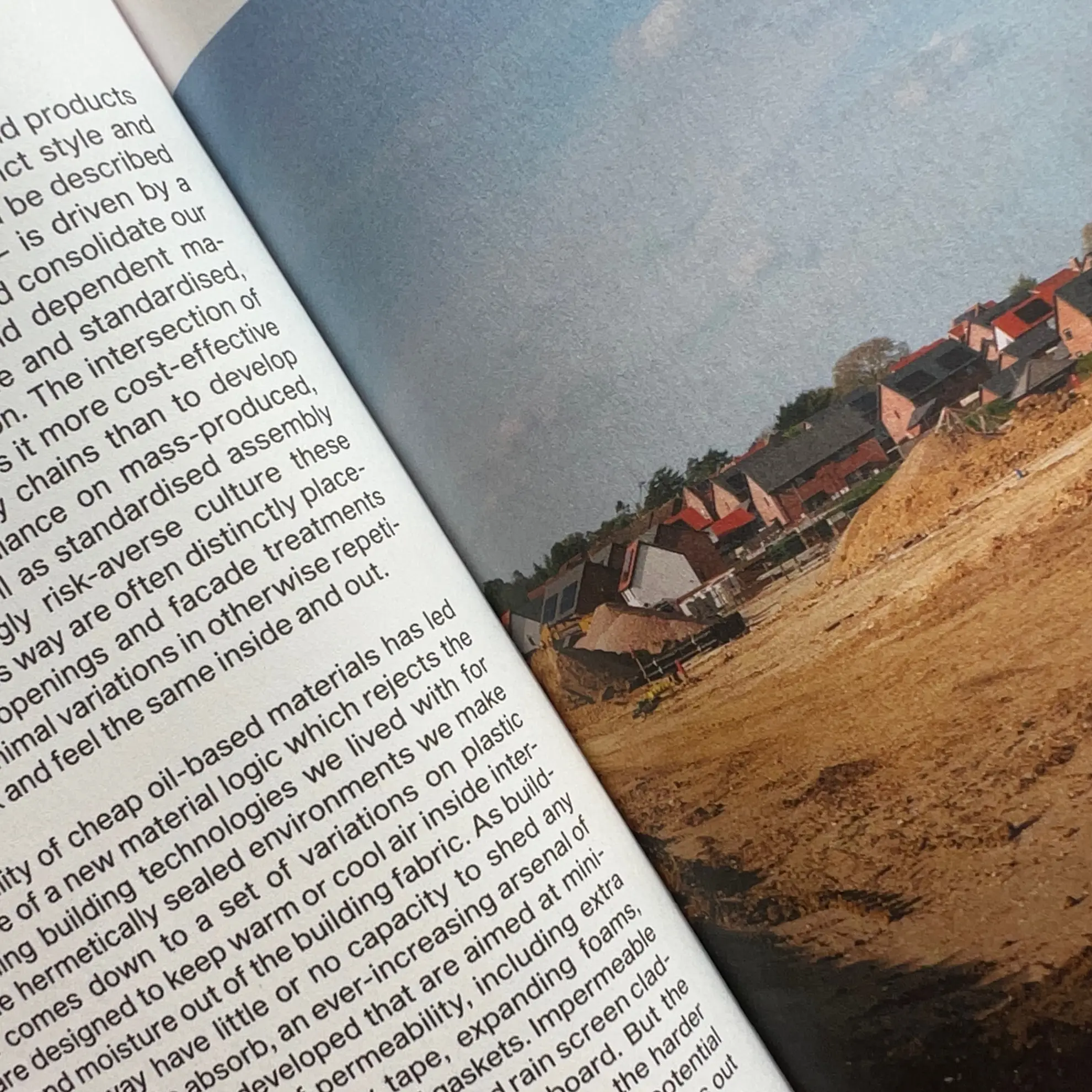
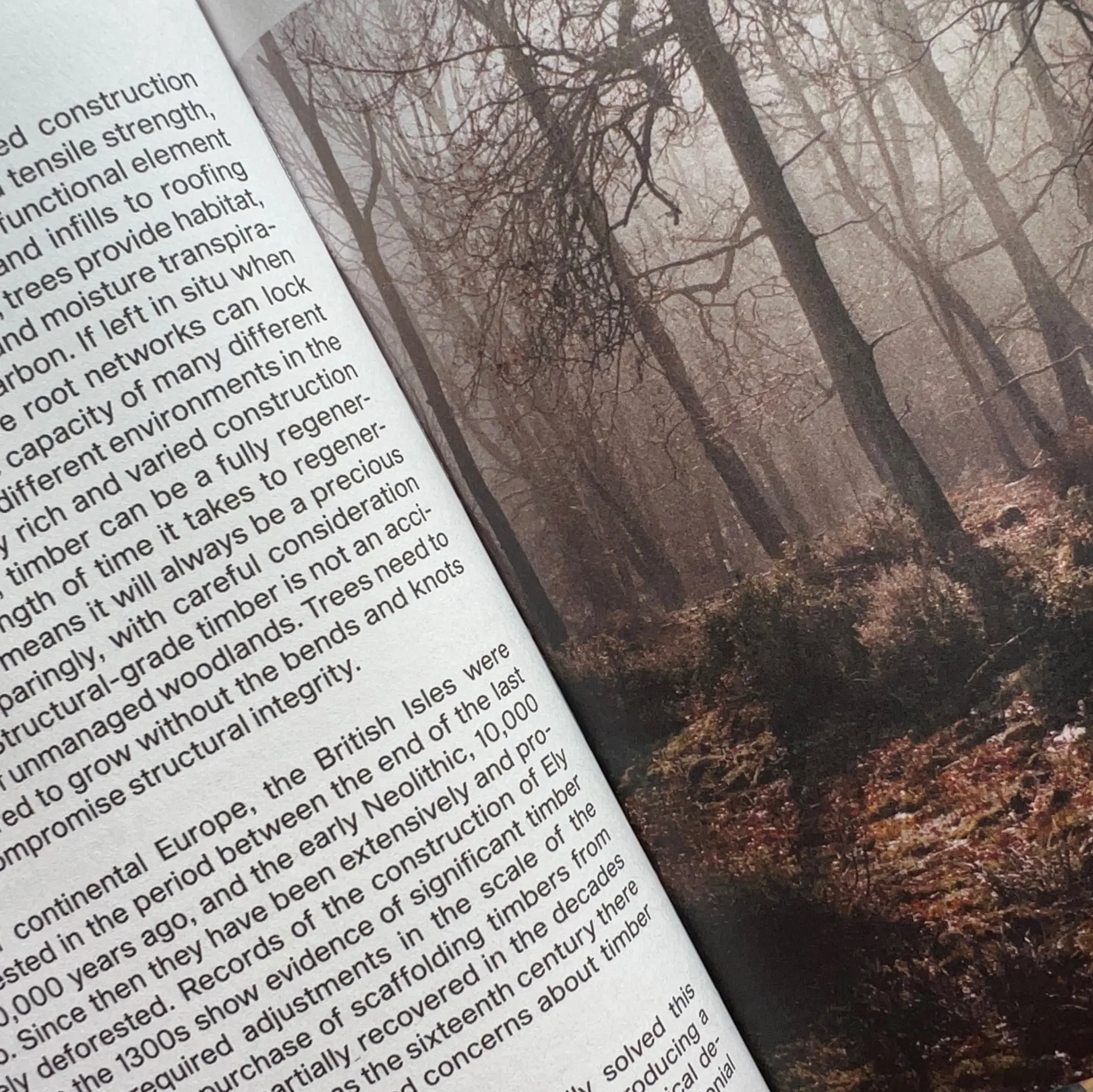
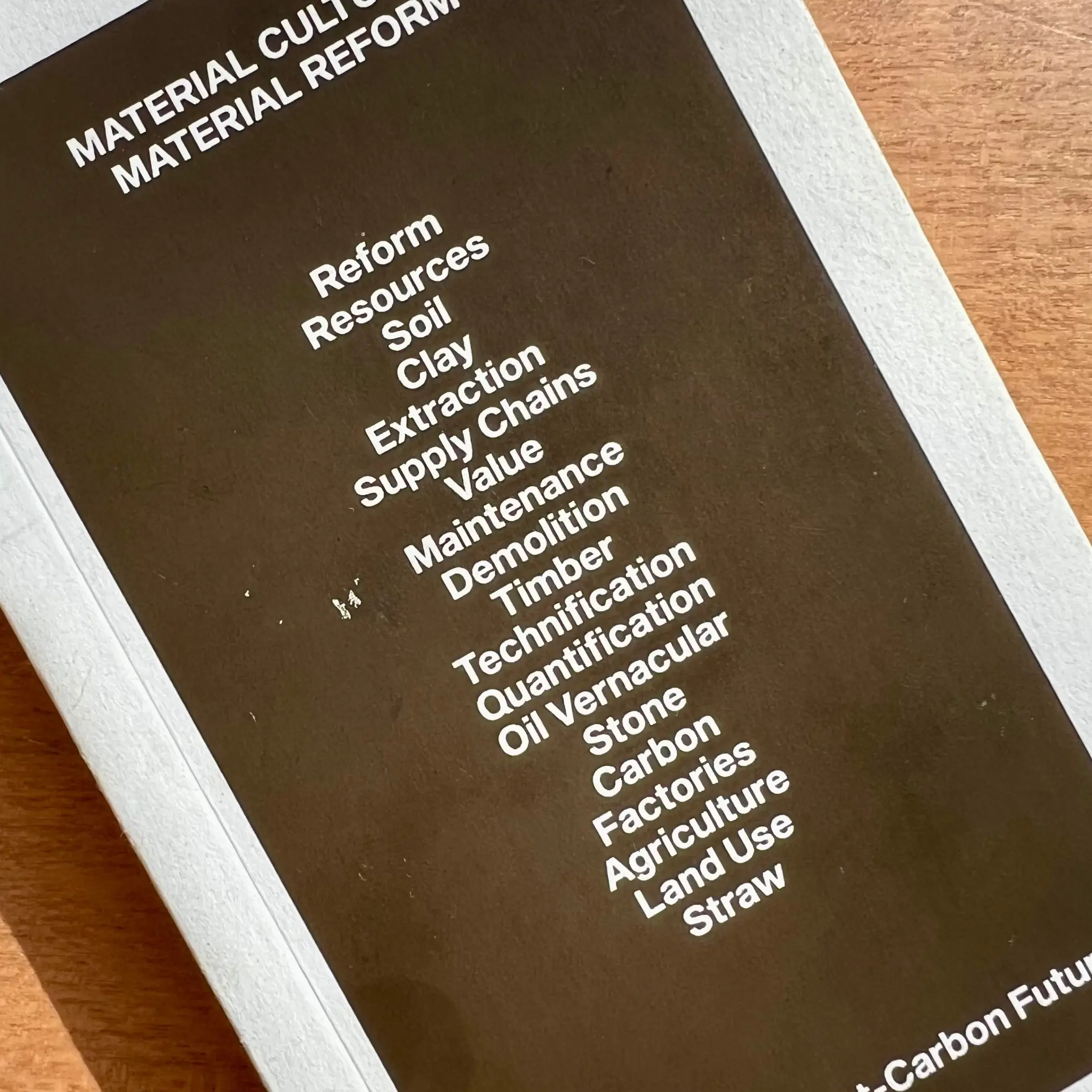
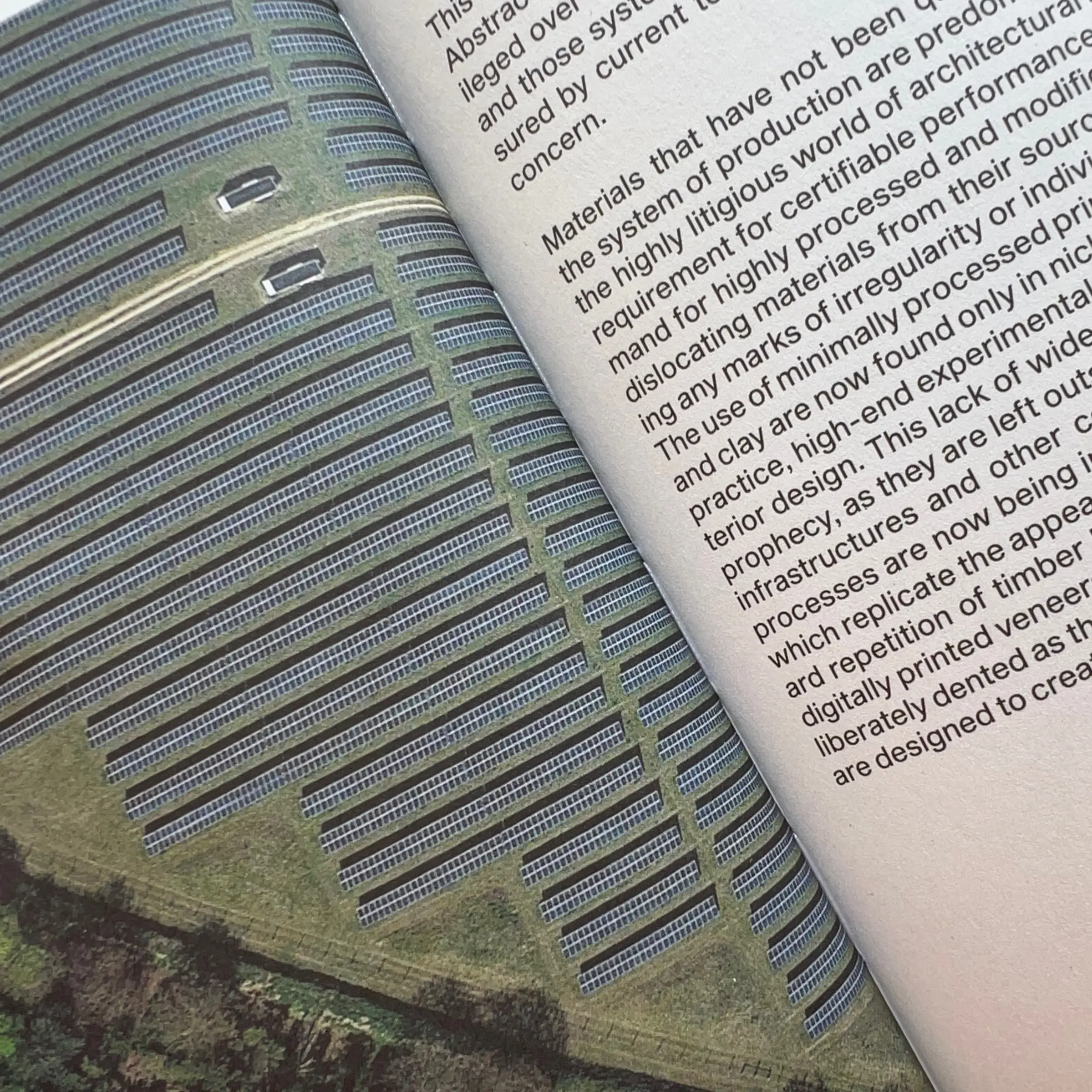
So Material Cultures' book ‘Material Reform: Building for a Post-Carbon Future’ really resonates with me. This beautiful (stunning photographs by Jess Gough), thoughtful, compact book goes beyond energy to unpick our whole relationship with buildings and the way they are realised; considering them not as static entities, but processes that require our care, attention and love over time, in turn developing a richer and deeper relationship between building and occupant. They talk of buildings rooted in their setting by the use of locally-sourced natural, breathable materials that support and benefit regional economies. It’s inspiring.
But the question is whether anyone is bold enough, or whether it’s possible, to deliver these principals at scale within the constraints of the UK construction industry.